
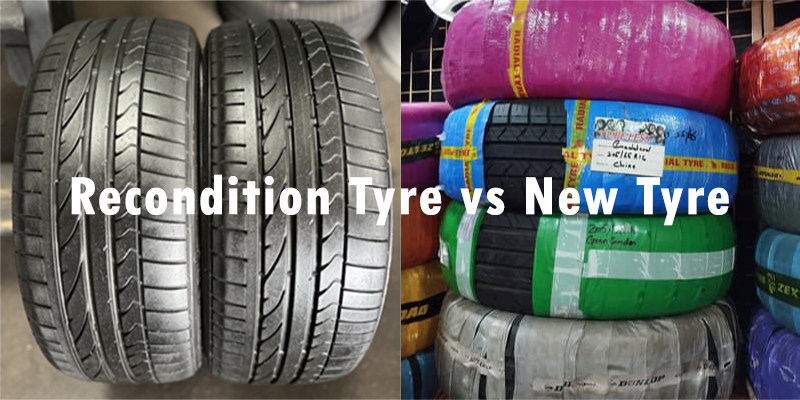
Tyres are one of the most important safety components of a vehicle. They provide grip, stability, and control on the road. When it comes to replacing tyres, car owners often face a tough decision: should they go for a new tyre or save money by purchasing a reconditioned tyre? In cities like Karachi, where the market for reconditioned tyres in Karachi is large, this decision is even more common.
In this blog, we will explore the differences between reconditioned tyres and new tyres, their pros and cons, and whether reconditioned tyres are safe for your car.
New Tyre
Investing in a new tyre means choosing safety, performance, and reliability for your car. A new tyre is made with fresh rubber, full tread depth, and modern designs that give better grip and stability on the road. They last longer, wear out more slowly, and perform better than reconditioned tyres. Whether you drive in the city or on highways, new tyres provide smoother rides, save fuel, and lower the risk of tyre bursts. For drivers who want safety and long-term value, new tyres are always the best choice.
Reconditioned Tyres
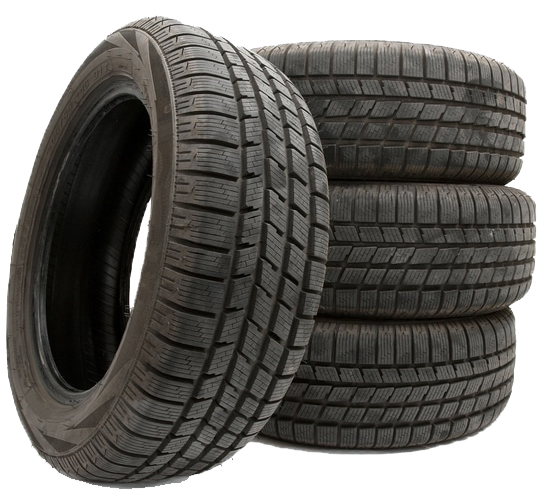
A reconditioned tyre, also called a refurbished or retreaded tyre, is a used tyre that has been restored by adding new rubber or tread. These tyres are widely available in markets because they are much cheaper than new ones. However, they often have reduced grip, lower durability, and may carry hidden damage from previous use. For short-term or low-speed driving, they can serve as a budget option, but for safety, long trips, or highway driving, new tyres are always the better choice.
What Are Reconditioned Tyres?
A reconditioned tyre (also known as a refurbished or retreaded tyre) is a second-hand tyre that has been restored to extend its usability. The worn-out tread is re-applied or repaired, making the tyre appear similar to a new one. These tyres are cheaper and widely available in local markets, often advertised as reconditioned tyres for sale in Karachi.
While they may look new, their structural integrity depends on the condition of the original tyre and the quality of the refurbishment process.
What Are New Tyres?
A new tyre is a brand-new product directly from the manufacturer, with full tread depth, factory warranty, and no prior usage. They are built to provide maximum performance, safety, and durability.
Just like a new car from the showroom, whether it’s a Kia Sportage HEV, a Sportage FWD, or a Kia Stonic EX Plus, choosing new tyres means reliability and peace of mind.
Recondition Tyre vs New Tyre – Key Differences
1. Price
-
Reconditioned Tyres – Much cheaper, often half the price of new ones.
-
New Tyres – More expensive, but come with longer lifespan and warranty.
2. Safety
-
Reconditioned Tyres – May have hidden damage from previous use. Their sidewalls and tread may not be as strong, raising questions like are reconditioned tyres safe?
-
New Tyres – Provide maximum grip, braking performance, and road safety.
3. Durability
-
Reconditioned Tyres – Have a shorter lifespan, depending on how worn they were before refurbishment.
-
New Tyres – Can last up to 40,000–60,000 km, depending on usage.
 4. Performance
-
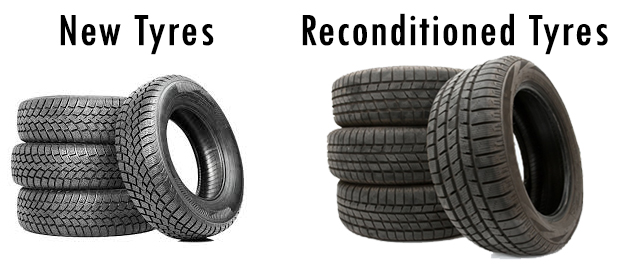
Reconditioned Tyres – Reduced traction, especially on wet or slippery roads.
-
New Tyres – Optimized tread patterns ensure stable handling in all conditions.
5. Value for Money
-
Reconditioned Tyres – Good for short-term or budget use, but risk higher maintenance costs.
-
New Tyres – Higher upfront cost but better long-term investment.
Recondition Tyre vs New Tyre – A Comparison
| Feature | Reconditioned Tyre | New Tyre |
|---|---|---|
| Price | Cheaper, suitable for short-term use | Higher cost but long-term value |
| Safety | Depends on quality, less reliable | High safety standards |
| Durability | Shorter lifespan | Longer lifespan |
| Performance | May affect braking & handling | Excellent road grip & stability |
| Fuel Efficiency | Lower | Higher |
| Best For | Budget-conscious, short trips | Long-term users, highway & city driving |
Should You Buy Reconditioned Tyres?
If your driving is limited to city routes, at low speeds, and you want a short-term solution, a reconditioned tyre may work as a temporary option. However, if you own premium vehicles like a Kia Carnival Executive or a Kia Sportage Alpha, investing in new tyres ensures safety and performance.
For long drives, highways, or family travel, it’s always recommended to go with new tyres.
Car Protection and Maintenance with Tyres
Whether you choose new or reconditioned tyres, regular maintenance increases tyre life. Services like 3M Glass Coating Protection and Undercoating Car Protection help protect your vehicle.
For tyre changes or inspections, you can book through the Online Service Appointment Form or make inquiries using the Online Inquiry Form.
Also, you can check the Price List for updated car and service costs.
FAQs on Reconditioned Tyre vs New Tyre
1. Is it better to have old tyres or new tyres?
New tyres are always better for safety, durability, and performance. Old or reconditioned tyres should only be a temporary solution.
2. Are reconditioned tyres safe?
They are not as safe as new tyres. The risk of blowouts, poor grip, and shorter lifespan makes them less reliable.
3. What does reconditioned tyres mean?
It refers to second-hand tyres that are refurbished with retreaded rubber to extend their usability.
4. Should I buy new or used tyres?
If the budget allows, always choose new tyres. Used tyres carry risks of hidden damage and shorter life.
5. How long will brand new tyres last?
On average, brand-new tyres last 40,000 to 60,000 kilometres with proper care.
6. How long will reconditioned tyres last?
They usually last 15,000 to 25,000 kilometers, depending on road conditions and driving style.
7. Can reconditioned tyres damage suspension?
Yes, uneven wear and poor tread depth can strain suspension components.
8. Are reconditioned tyres legal in Pakistan?
Yes, they are widely sold, but safety standards are not as strict as those in international markets.
9. How to identify a reconditioned tyre?
Check tread patterns, look for uneven markings, and verify the manufacturing date. Retreaded surfaces often look different from new tyres.
10. Do new tyres improve fuel efficiency?
Yes, new tyres with proper tread and air pressure reduce rolling resistance, improving fuel economy.