
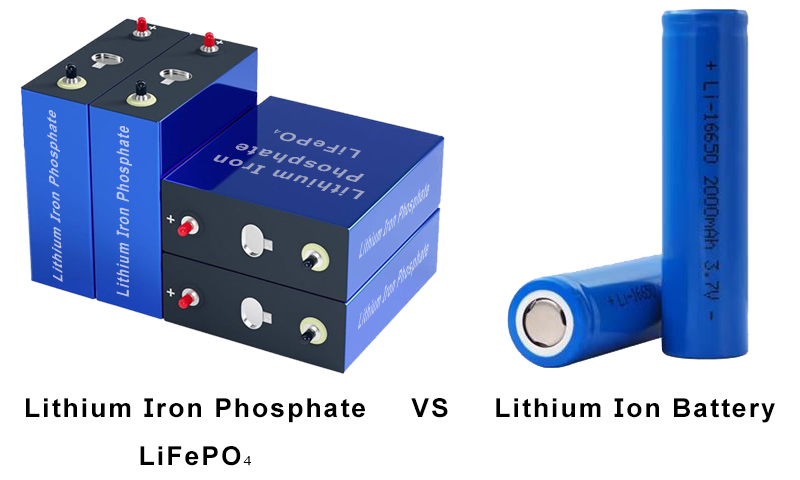
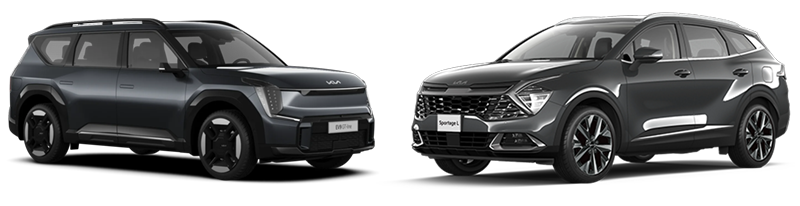
When it comes to powering modern electric vehicles and advanced gadgets, two names often come up—LiFePO₄ batteries (Lithium Iron Phosphate) and Lithium-Ion batteries. Both are widely used, but each has unique strengths and limitations that determine their suitability for different applications. From EVs like the Kia EV5 FWD and Kia EV5 AWD, to hybrid models such as the Kia Sportage HEV**, the type of battery used directly influences performance, efficiency, safety, and lifespan.
In this blog, we’ll provide a complete comparison between LiFePO₄ and Lithium-Ion batteries, explaining how they work, their differences, and why choosing the right one matters.
What is a Lithium-Ion Battery?
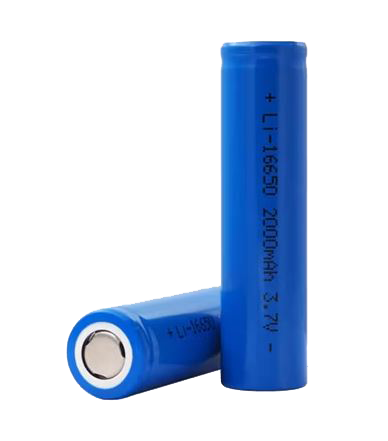
A Lithium-Ion (Li-ion) battery is one of the most common rechargeable battery technologies. It uses lithium cobalt oxide (LCO), lithium nickel manganese cobalt (NMC), or lithium nickel cobalt aluminum (NCA) as its cathode material. These batteries are known for
-
High energy density – More power in a smaller size.
-
Lightweight design – Ideal for portable electronics and EVs.
-
Fast charging – Suitable for quick refueling in vehicles.
However, Li-ion batteries are more prone to overheating, require advanced cooling systems, and typically degrade faster than LiFePO₄.
What is a LiFePO₄ Battery?
LiFePO₄ (Lithium Iron Phosphate) is a type of Lithium battery chemistry that has gained attention for its safety and durability. Instead of cobalt or nickel, it uses iron phosphate as the cathode material, making it more environmentally friendly and thermally stable.
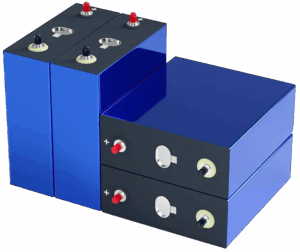
Key features include:
-
Longer lifespan – Up to 3,500–5,000 charge cycles.
-
Thermal stability – Much safer, less risk of fire or explosion.
-
Steady performance – Provides consistent voltage over time.
-
Eco-friendly composition – Free from cobalt and nickel.
Many EV manufacturers are adopting LiFePO₄, especially in vehicles that prioritize safety and longevity.
LiFePO₄ vs Lithium-Ion – Key Differences
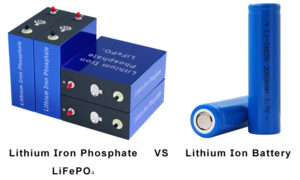
| Feature | LiFePO₄ Battery | Lithium-Ion Battery |
|---|---|---|
| Energy Density | Lower (bulkier for the same energy) | Higher (compact & lightweight) |
| Lifespan | 3,500–5,000 cycles | 1,000–2,500 cycles |
| Safety | Very stable, low risk of fire | Higher risk of thermal runaway |
| Cost | More affordable over the long term | Higher initial cost |
| Charging Speed | Moderate | Faster |
| Temperature Performance | Performs well in high heat | Performance drops in extreme heat |
| Applications | EVs, solar storage, backup systems | Smartphones, laptops, high-performance EVs |
Which is Better for Electric Vehicles?
When choosing between LiFePO₄ and Lithium-Ion batteries for cars, the answer depends on the vehicle type and user needs:
-
LiFePO₄ is better suited for long-lasting performance and safety, making it a suitable choice for family SUVs like the Kia Sorento AWD and Kia Sorento FWD. These vehicles often focus on reliability, stability, and long-term value.
-
Lithium-ion is ideal for high-performance EVs where compact design and fast charging are critical. Models like the Kia EV5 AWD may use Li-ion to maximize driving range and reduce battery weight.
For detailed price comparisons of Kia electric and hybrid models, you can visit the Kia Motors Port Qasim Price List.
Protecting Your EV Battery
Whether your car runs on LiFePO₄ or Lithium-Ion, protection and maintenance play a vital role in extending battery life. Options such as 3M Glass Coating Protection and Undercoating Car Protection can help safeguard your vehicle from environmental damage.
You can also schedule maintenance with ease through the Online Service Appointment Form or inquire further using the Online Inquiry Form.
FAQs About LiFePO₄ vs Lithium-Ion Batteries
Q1: Which battery lasts longer, LiFePO₄ or Lithium-Ion?
LiFePO₄ batteries last longer, often providing double to triple the life cycles compared to traditional Lithium-Ion batteries.
Q2: Are LiFePO₄ batteries safer than Lithium-Ion?
Yes, LiFePO₄ is far more stable, resistant to overheating, and has a much lower chance of catching fire.
Q3: Which battery type charges faster?
Lithium-ion batteries generally charge faster, making them suitable for quick EV charging stations.
Q4: Do LiFePO₄ batteries cost more?
Initially, LiFePO₄ may cost slightly more, but its longer lifespan makes it more cost-effective in the long run.
Q5: Which battery is better for cold weather?
Lithium-ion batteries usually perform better in extremely cold climates, while LiFePO₄ may face reduced efficiency below freezing.
Q6: Can both batteries be recycled?
Yes, both battery types can be recycled, but LiFePO₄ is more eco-friendly since it doesn’t use toxic cobalt or nickel.
Q7: Which is better for hybrid cars like the Kia Sportage HEV?
Hybrid vehicles often use Lithium-Ion batteries because they balance compact design and fast charging, perfect for city and highway driving.