
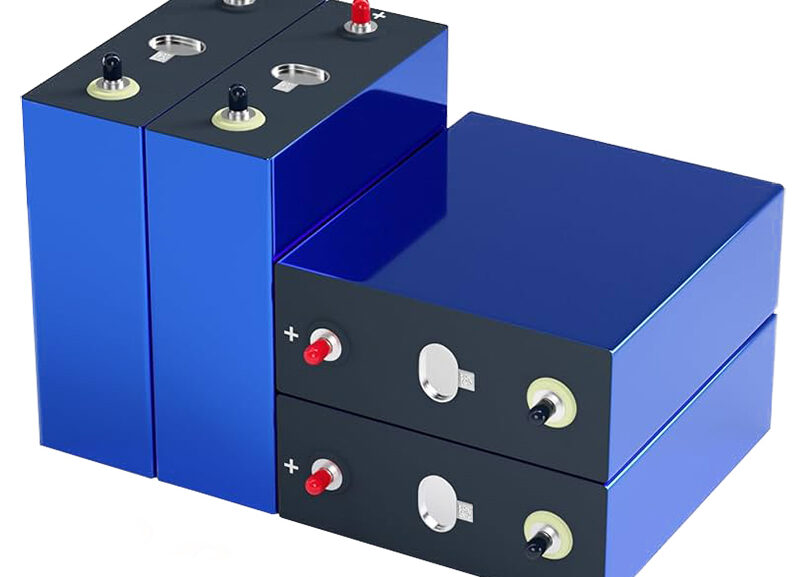
The global shift toward electric mobility and sustainable energy has made battery technology one of the most important innovations of our time. Among the many types of rechargeable batteries, Lithium Iron Phosphate (LiFePO₄) stands out as one of the safest, most durable, and energy-efficient solutions. From electric vehicles like the Kia EV5 FWD and Kia EV5 AWD to hybrid models such as the Kia Sportage HEV, LiFePO₄ batteries are reshaping how we drive and consume energy.
In this blog, we’ll define Lithium Iron Phosphate in detail, explain its advantages, and highlight its importance in modern vehicles.
What is (LiFePO₄)?
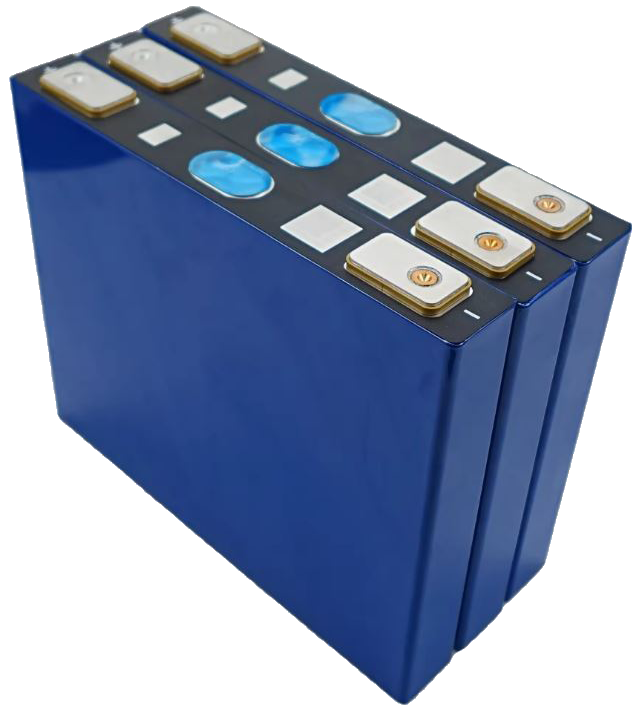
Lithium Iron Phosphate, commonly referred to as LiFePO₄, is a type of lithium-ion battery that uses iron phosphate as the cathode material. Unlike traditional lithium cobalt oxide batteries, LiFePO₄ batteries are well known for their stability, long lifespan, and thermal safety.
This unique chemistry makes them highly suitable for:
-
Electric vehicles (EVs) like the Kia EV5 FWD, Kia EV5 AWD, and Kia EV9 AWD
-
Hybrid models such as the Sportage L HEV FWD.
-
Passenger vans like the Kia Sorento HEV AWD.
How Does Lithium Iron Phosphate Work?
Lithium Iron Phosphate (LiFePO₄) batteries work by moving lithium ions between the positive electrode (cathode) made of iron phosphate and the negative electrode (anode) made of carbon. During charging, lithium ions leave the cathode and move into the anode, storing energy. When the battery discharges, the ions flow back to the cathode, releasing stored energy to power the vehicle. This back-and-forth movement of ions is what enables stable power output. The strong bond between iron and phosphate ensures structural stability, which is why LiFePO₄ batteries are known for their safety, long cycle life, and consistent performance.
Key Features of Lithium Iron Phosphate Batteries
-
Safety First – LiFePO₄ batteries are chemically stable and less likely to overheat, reducing risks of explosion or fire.
-
Longer Lifespan – They can last over 3,000–5,000 charging cycles, making them more durable than conventional lithium-ion batteries.
-
Consistent Performance – They provide stable voltage output, ensuring smooth power delivery in vehicles.
-
Eco-Friendly – Containing no harmful heavy metals, they are safer for the environment.
-
Fast Charging – LiFePO₄ technology allows faster charging times, ideal for EVs like the Kia Stonic EX Plus.
Lithium Iron Phosphate in Electric and Hybrid Cars
The demand for sustainable mobility has pushed automakers, including Kia, to adopt advanced battery technologies. Vehicles such as the Kia EV5 AWD and Kia Sportage HEV are equipped with modern battery systems designed for efficiency, performance, and safety.
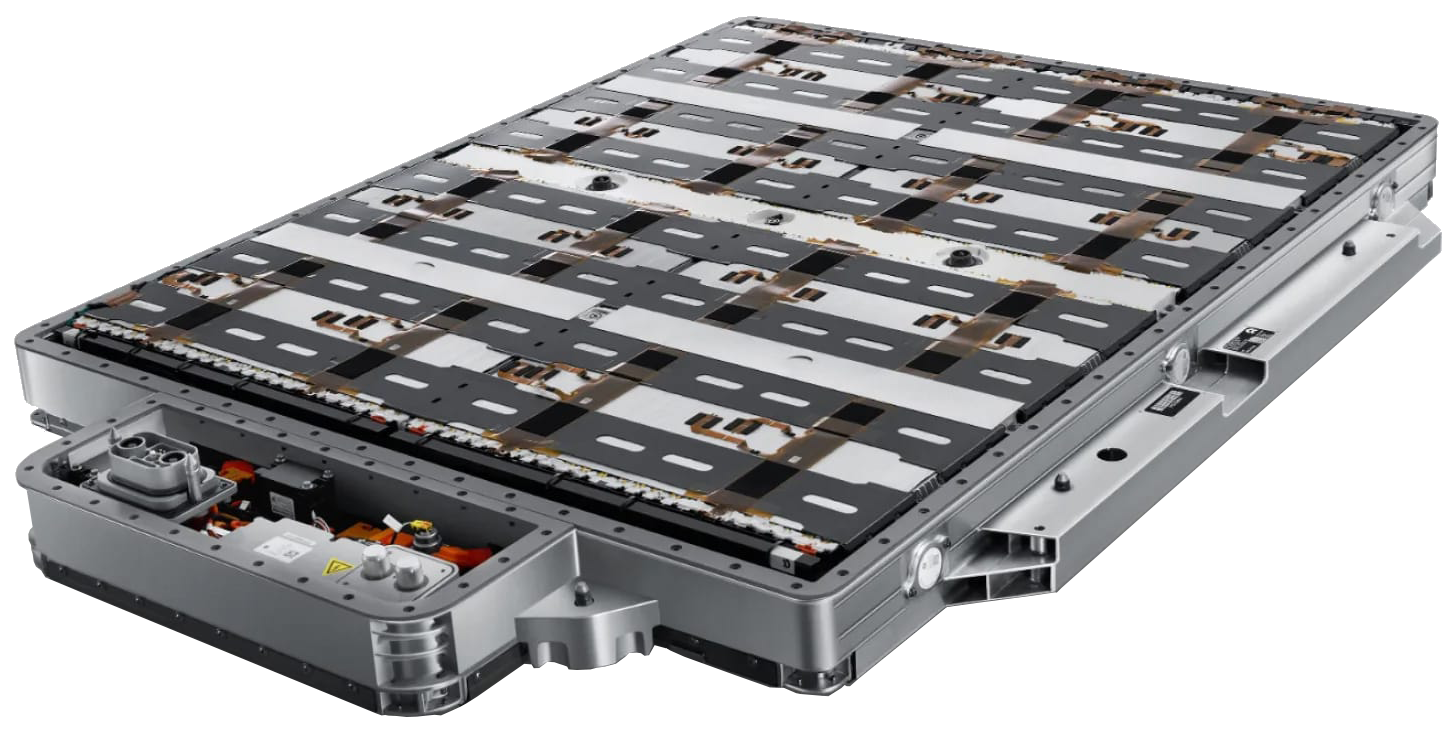
Paired with protection services like 3M Glass Coating Protection and Undercoating Car Protection, Kia ensures that both the exterior and the power system of your vehicle remain in top condition.
For buyers considering costs, you can explore detailed information at the Kia Price List to find a model that suits your budget and driving needs.
Why Lithium Iron Phosphate is the Future of EVs
As countries move toward electric vehicle adoption, the demand for safe and reliable batteries grows. LiFePO₄ stands out because:
-
It is cost-effective compared to other lithium-ion chemistries.
-
It operates safely in hot climates, which is important for regions like Pakistan.
-
It enables long-term ownership benefits, lowering the cost of maintenance.
Kia’s EV and hybrid lineup demonstrates how these batteries support performance while being environmentally conscious. For servicing or queries, drivers can use the Online Service Appointment Form or reach out via the Online Inquiry Form.
FAQs About Lithium Iron Phosphate (LiFePO₄)
Q1: What makes Lithium Iron Phosphate safer than other lithium batteries?
A1: LiFePO₄ batteries are chemically stable and resistant to overheating, making them much safer compared to lithium cobalt oxide batteries.
Q2: How long do Lithium Iron Phosphate batteries last?
A2: They typically last 3,000–5,000 charge cycles, which can be over 10 years of regular use.
Q3: Are LiFePO₄ batteries used in Kia vehicles?
A3: Yes, many modern Kia EVs and hybrid models utilize advanced battery technologies, including LiFePO₄ for safety, durability, and efficiency.
Q4: Do LiFePO₄ batteries charge faster?
A4: Yes, they support faster charging speeds compared to traditional battery types, making them ideal for electric cars.
Q5: Are Lithium Iron Phosphate batteries eco-friendly?
A5: Absolutely. They do not contain harmful heavy metals, making them safer for recycling and environmentally friendly.
Q6: Can I service or replace my car’s LiFePO₄ battery easily?
A6: Kia offers complete after-sales support. You can book through the online service appointment form.
Q7: Are LiFePO₄ batteries suitable for hot climates?
A7: Yes, they perform exceptionally well in high-temperature regions, which makes them ideal for countries like Pakistan.