
Introduction
Every car owner has faced it at some point—the Engine Warning Light suddenly glowing on the dashboard. Also known as the Check Engine Light, it’s one of the most common but most misunderstood indicators in a vehicle. While it may sometimes point to a minor issue, it can also signal a serious engine problem that needs immediate attention.
In this article, we’ll explain what the engine warning light means, why it comes on, what you should do, and how much repairs might cost. By the end, you’ll know exactly how to handle this warning without panic.
What is the Engine Warning Light?
The Engine Warning Light is part of your car’s On-Board Diagnostics (OBD-II) system, which constantly monitors the engine, transmission, and emissions systems. When the system detects a fault, the light appears.
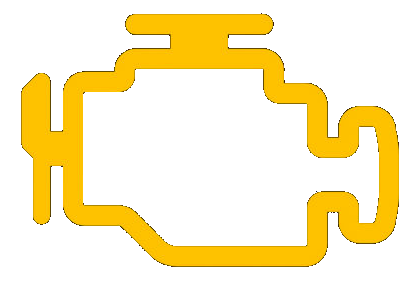
It usually looks like a small outline of an engine. Depending on the issue, it can:
-
Stay solid yellow or orange for minor issues.
-
Flash if there’s a serious engine misfire.
-
Turn red for critical faults that may cause damage.
Common Reasons Why the Engine Warning Light Comes On
1. Loose or Damaged Fuel Cap
This is one of the simplest and most overlooked causes. A fuel cap that isn’t properly tightened or is cracked can let fuel vapors escape, triggering the warning light.
2. Faulty Oxygen (O2) Sensor
The oxygen sensor measures the amount of oxygen in the exhaust gases. A bad sensor can lead to poor fuel economy, increased emissions, and possible damage to the catalytic converter.
3. Catalytic Converter Problems
The catalytic converter reduces harmful emissions from the exhaust. If it fails, your car will produce more pollution and may perform poorly. This is usually an expensive repair.
4. Spark Plug or Ignition Coil Issues
Spark plugs ignite the fuel in the engine, while ignition coils deliver the spark. If they fail, the engine may misfire, lose power, or consume more fuel.
5. Mass Air Flow (MAF) Sensor Fault
The MAF sensor measures how much air enters the engine. A bad sensor affects fuel delivery, leading to poor performance and stalling.
6. Exhaust or Emission Control Problems
If the emissions system fails, the engine warning light will appear to alert you that your car may no longer meet environmental standards.
Engine Warning Light Colors and Their Meanings
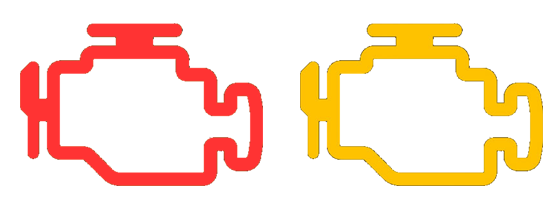
| Color | Meaning | Action Needed |
|---|---|---|
| Yellow/Orange (Solid) | A minor issue is detected | You can continue driving, but schedule a service check soon |
| Yellow/Orange (Flashing) | Engine misfire or a more serious problem | Stop driving immediately and seek assistance |
| Red | Critical fault, potential engine damage | Pull over safely, switch off the engine, and call for roadside help |
What to Do When the Engine Warning Light Comes On
-
Check the fuel cap – Tighten it properly and see if the light disappears after a few drives.
-
Reduce driving stress – Avoid speeding, hard acceleration, or towing until checked.
-
Observe other symptoms – Is the car losing power? Making strange noises? This helps in diagnosis.
-
Use an OBD-II scanner – Affordable scanners can read fault codes from your car’s computer.
-
Visit a mechanic or service center – If the light stays on, book an appointment for a full inspection.
How Much Does It Cost to Fix?
The cost of fixing an engine warning light issue depends on the actual problem behind it. Sometimes, the solution is very simple, like tightening a fuel cap. Other times, it might involve replacing sensors, ignition components, or even repairing exhaust-related parts.
The price also varies depending on the car model, age, and service center. While some repairs are quick and inexpensive, others may require more detailed inspection and professional attention.
The best way to avoid unexpected expenses is through regular maintenance and timely checkups. By addressing small issues early, you reduce the chance of bigger problems later.
Why You Should Never Ignore the Warning Light
-
Minor issues can escalate into costly repairs if left unaddressed.
-
Reduced fuel efficiency results in higher operating costs.
-
Increased emissions can cause your car to fail inspection tests.
-
Safety risk: A flashing light could mean an engine misfire, which may damage the catalytic converter or cause the car to stall.
Tips to Prevent Engine Warning Light Problems
-
Always tighten your fuel cap after refueling.
-
Service your car regularly, following the manufacturer’s schedule.
-
Replace spark plugs and sensors when recommended.
-
Keep your engine oil and filters clean.
-
Don’t ignore small changes in performance—fix them early.
FAQs
Q1: Can I drive with the engine warning light on?
Yes, if it’s a solid yellow or orange light, but get it checked soon. If it’s flashing or red, stop driving immediately.
Q2: Will the light turn off by itself?
Sometimes, if the issue is minor and fixed (like a loose fuel cap). Otherwise, it needs professional repair and resetting.
Q3: How can I check the problem myself?
You can use an OBD-II scanner to read fault codes. These codes will tell you what system is failing.
Q4: Is the engine warning light always serious?
Not always. It can be something small, like a sensor fault or fuel cap, but it can also mean severe engine problems.
Q5: Do all cars have this light?
Yes, all modern cars are required to have an engine warning light as part of emissions control regulations.
Q6: What happens if I ignore it?
Ignoring the warning light may cause expensive damage, lower fuel efficiency, and increased emissions.
Q7: Can low-quality fuel cause the light to come on?
Yes, poor-quality or contaminated fuel can cause misfiring or emission issues, triggering the warning.