

Introduction
Modern vehicles come equipped with advanced safety technologies that go beyond airbags and seatbelts. One of the most important among these is Electronic Stability Control (ESC). It is designed to help drivers maintain control of their vehicles in challenging situations such as slippery roads, sharp turns, or sudden maneuvers. Understanding the function of electronic stability control is essential for every driver who values safety and reliability.
If you are considering vehicles with advanced safety features, you can explore options like the Kia EV5 FWD, Kia Sportage HEV, or the Kia Carnival Executive.
What is Electronic Stability Control?
Electronic Stability Control is a computer-controlled system that helps prevent skidding, oversteering, and rollovers by automatically applying brakes to individual wheels and reducing engine power if necessary.
In simple terms, ESC assists the driver when the vehicle starts losing stability. Unlike traditional traction control, ESC actively monitors and adjusts the vehicle’s movement in real time.
How Does ESC Work?
The ESC system works through multiple sensors installed in the vehicle. These sensors detect the driver’s steering input and compare it with the vehicle’s actual movement.
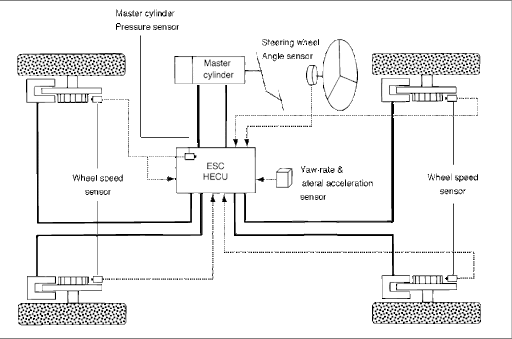
If a difference is detected, ESC intervenes by braking individual wheels to bring the vehicle back on its intended path.
Function |
Explanation |
|---|---|
| Detects instability | Sensors monitor wheel speed, steering angle, and rotation. |
| Corrects vehicle path | Applies brake force to one or more wheels. |
| Reduces engine power | Limits acceleration when skidding is detected. |
| Prevents rollover | Balances side-to-side movements of the vehicle. |
Key Functions of Electronic Stability Control
-
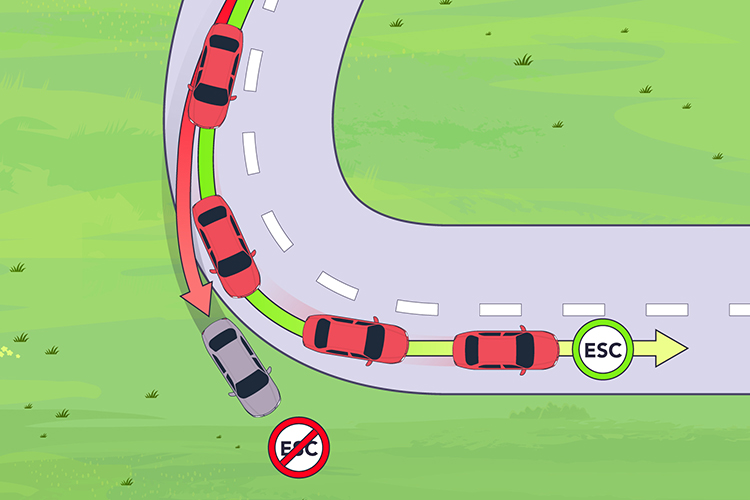
Helps prevent skidding on wet, icy, or gravel roads.
-
Improves cornering stability by reducing understeer and oversteer.
-
Supports vehicle stability management, especially at high speeds.
-
Reduces accident risks by helping the driver maintain control.
-
Works together with ABS and traction control to ensure maximum safety.
For example, the Kia Stonic EX Plus and Kia Sportage Alpha are equipped with ESC to provide safer driving experiences.
ESC vs Traction Control
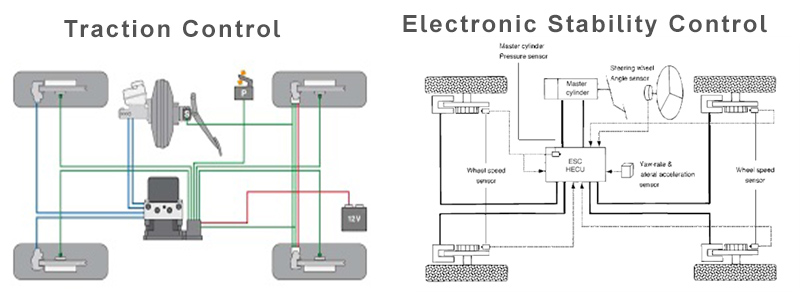
Both systems are designed for safety, but have different roles:
Feature |
Electronic Stability Control (ESC) |
Traction Control |
|---|---|---|
| Main Purpose | Prevents skidding and loss of control | Prevents wheel spin |
| Operation | Brake individual wheels + reduces engine power | Limits wheel power to reduce spin |
| Best Use Case | Curves, slippery roads, sudden turns | Acceleration on slippery surfaces |
Common Problems with ESC
While ESC is generally reliable, some issues may occur:
-
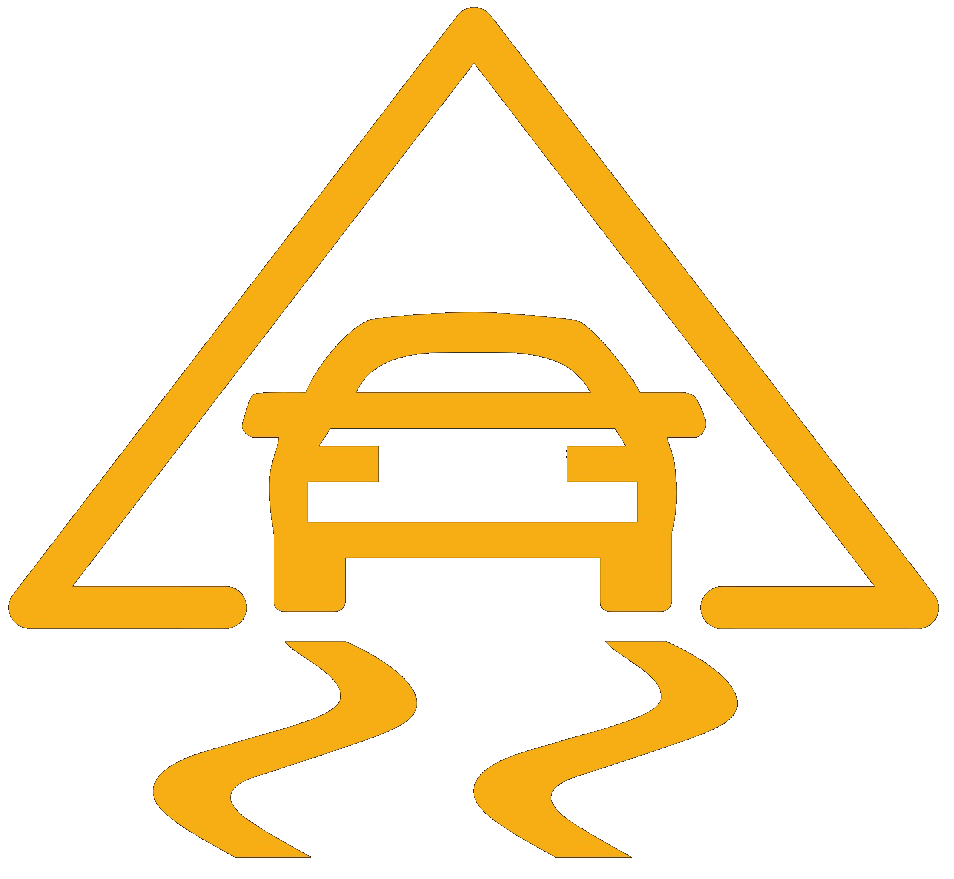
Electronic Stability Control Warning Light: When this light appears, it indicates a malfunction.
-
Sensor Problems: Faulty sensors may reduce accuracy.
-
Wiring or Module Issues: Electrical faults can affect ESC performance.
If you face such issues, it’s best to book an online service appointment or use the online inquiry form for quick assistance.
Cost of Repairing ESC
The electronic stability control repair cost depends on the issue. Simple sensor replacements may be affordable, but a full system repair can be more expensive. Regular maintenance reduces the chance of costly problems.
You can also protect your car’s performance by opting for services like 3M Glass Coating Protection and Undercoating Car Protection.
How to Fix Electronic Stability Control
-
Restart the car to see if the warning light resets.
-
Check the ABS sensors and wheel speed sensors.
-
Get a professional inspection for wiring or module issues.
If the problem continues, visit a trusted service center.
FAQs
Q1: What is the main function of Electronic Stability Control?
The main function is to keep the vehicle stable during turns, sudden maneuvers, and slippery conditions.
Q2: How to fix the electronic stability control warning light?
Check ABS sensors, restart the car, or visit a service center for diagnostics.
Q3: Is ESC the same as traction control?
No. ESC prevents skidding, while traction control prevents wheel spin.
Q4: What is the electronic stability program (ESP)?
ESP is another term for ESC used in many vehicles.
Q5: How much does ESC repair cost?
It can range from minor sensor replacement to full system repair, depending on the issue.
Q6: What happens if ESC fails?
The vehicle can still run, but stability during emergencies may be compromised.
Q7: Does every modern car have ESC?
Yes, most modern vehicles, including the Kia Sportage FWD, come with ESC as a standard feature.