
Introduction of Electronic Stability Control
Modern vehicles are not only about speed, comfort, and design but also about advanced safety systems. One such life-saving technology is Electronic Stability Control (ESC). This feature helps drivers maintain control during sudden maneuvers, slippery road conditions, or sharp turns. According to global safety studies, ESC has significantly reduced accidents caused by skidding and rollovers.
Whether you are considering vehicles like the Kia EV5 FWD, Kia Sportage HEV, or the Kia Carnival Executive, understanding ESC can help you make a safer car-buying decision.
What is the Function of the Electronic Stability Control (ESC) in a Vehicle?
Electronic Stability Control in vehicles is designed to detect and minimize skidding. It works alongside the anti-lock braking system (ABS) and traction control system (TCS). By automatically applying brakes to individual wheels and adjusting engine power, ESC ensures the car stays on the driver’s intended path.
For example, when a vehicle starts to oversteer or understeer, ESC intervenes immediately, preventing loss of control. This makes it one of the most important safety features available in modern cars like the Kia Sportage Alpha and Kia Stonic EX Plus.
How Does an Electronic Stability Control System Work?
In an electronic stability control system, several sensors constantly monitor driving conditions. These include:

-
Steering angle sensor – tracks steering input.
-
Wheel speed sensors – measure the rotation speed of each wheel.
-
Yaw rate sensor – detects the vehicle’s side-to-side twist.
-
Lateral acceleration sensor – monitors sideways movement.
By combining this data, ESC calculates if the car is going where the driver intends. If not, the system activates selective braking and adjusts the engine.
Electronic Stability Control vs Traction Control
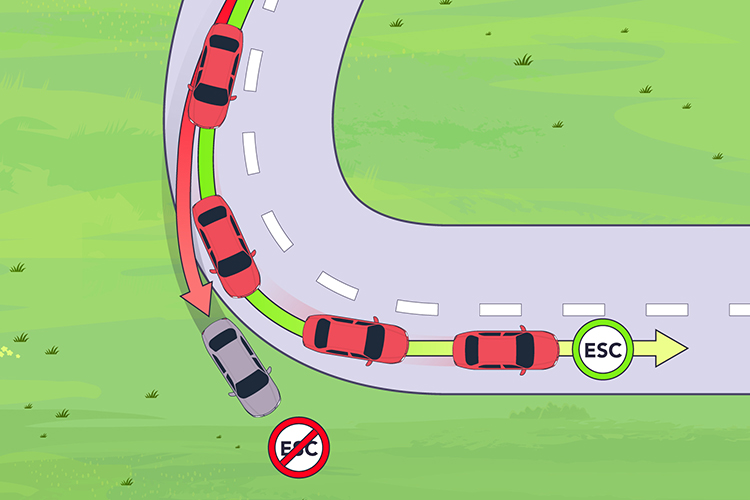
Many drivers confuse the electronic stability program (ESP/ESC) with traction control. While both work for safety, they serve different purposes:
-
Traction Control: Prevents wheel spin during acceleration.
-
Electronic Stability Control: Maintains vehicle stability during cornering or sudden maneuvers.
Both work together for maximum safety in advanced vehicles like the Sportage FWD and the Kia EV5 FWD.
Electronic Stability Control Warning Light
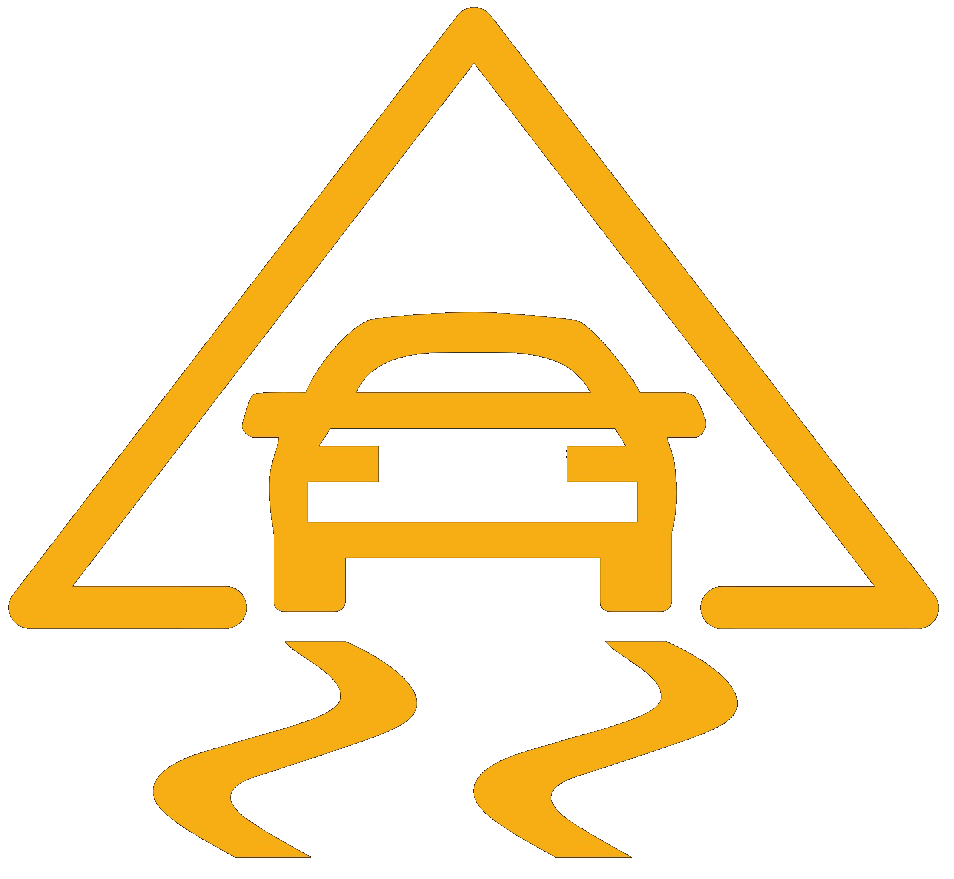
When you see the electronic stability control warning light on your dashboard, it may indicate:
-
ESC has been manually turned off.
-
The system is actively working (for example, during skidding).
-
A fault has been detected in the system.
If the light stays on constantly, it is advised to schedule an online service appointment to get the system checked.
How to Check ESC in a Car
Here are a few ways to verify if your car has ESC:
-
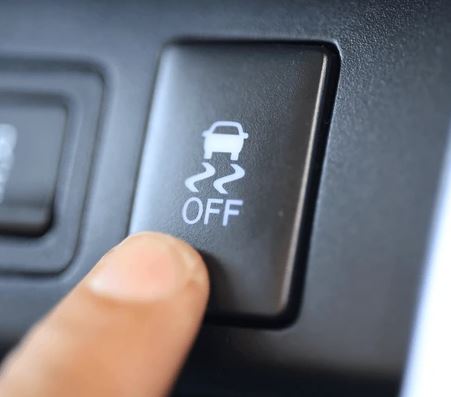
Look for the ESC/ESP button near the dashboard or center console.
-
Check the owner’s manual for details.
-
Observe the ESC indicator light on the instrument cluster when you start the engine.
-
For professional verification, you can use the online inquiry form for support.
Vehicle Stability Management and ESC
Many modern vehicles come with Vehicle Stability Management (VSM), which integrates ESC with power steering and braking for more precise handling. This ensures better control during cornering, braking, and acceleration, especially on slippery roads.
Why ESC Matters for Kia Vehicles
Kia integrates ESC in multiple models, ensuring enhanced driver safety. Options like the Kia Sportage HEV, Kia Carnival Executive, and Kia Stonic EX Plus feature advanced stability management, offering drivers peace of mind on every journey.
For added protection, you can explore services like 3M Glass Coating Protection and Undercoating Car Protection that further enhance vehicle durability.
FAQs about Electronic Stability Control
Q1: What is electronic stability control in a vehicle?
ESC is a computerized safety system that improves a vehicle’s stability by detecting and reducing skidding.
Q2: In an electronic stability control system, what sensor measures the side-to-side twist of the vehicle?
The yaw rate sensor measures the vehicle’s side-to-side twist.
Q3: What is the difference between electronic stability control vs traction control?
Traction control prevents wheel spin during acceleration, while ESC prevents skidding during cornering or emergency maneuvers.
Q4: How do I know if my car has ESC?
Check for an ESC button, dashboard light, or consult the owner’s manual.
Q5: Can I drive with the ESC warning light on?
Yes, but it is risky. If the light stays on, you should book a service appointment.
Q6: Does ESC work in all driving conditions?
ESC is most effective on slippery, icy, or wet roads, but cannot overcome the limits of physics if the driver exceeds safe speeds.
Q7: Is ESC mandatory in cars?
In many countries, ESC has become a legal requirement for all new passenger vehicles.
Q8: What is vehicle stability management (VSM)?
It is an advanced system that combines ESC with steering and braking assistance for improved safety.
Q9: How does ESC improve rollover protection?
By applying selective braking, ESC reduces the chances of rollover during sharp turns.